
When selecting an electric drive for a conveyor belt or production line, the correct gear ratio of the gearbox is an important factor.
This determines how much the speed of the electric motor is reduced and how much torque is ultimately available to drive the conveyor belt.
An incorrect choice of reduction gearbox can lead to a conveyor belt speed that is too high or too low, insufficient torque or unnecessary energy consumption. But how do you determine which gear ratio suits your application?
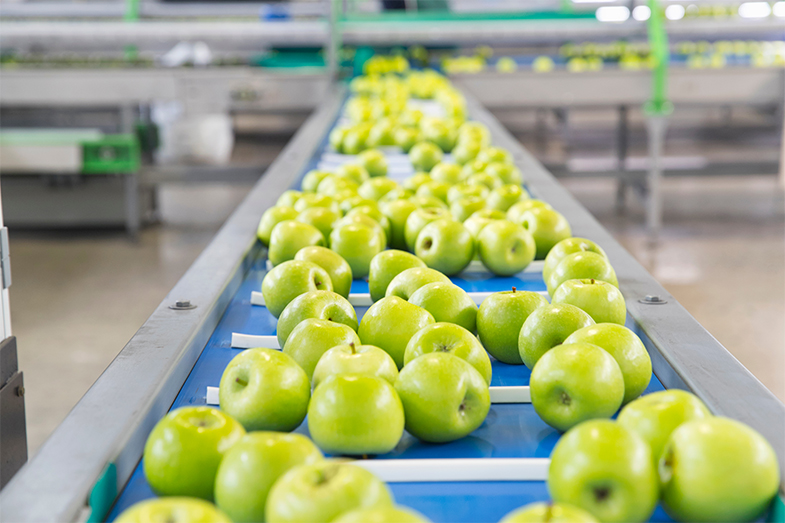
What Gear Ratio Does a Conveyor Belt Need?
The correct ratio is not only determined by the desired speed of the conveyor belt. When selecting a drive system, the following factors, among others, play a role:
- Desired conveyor belt speed;
- Diameter of the drive roller;
- Speed and power of the electric motor;
- Required torque;
- Weight of the products to be transported;
- Start and stop frequency;
- Operating hours and load;
- Any inclines in the conveyor system.
For example, a conveyor belt that continuously transports lightweight packages places different demands on the drive system than a conveyor that must transport heavy products at a certain incline.
Why Are Speed and Torque Connected?
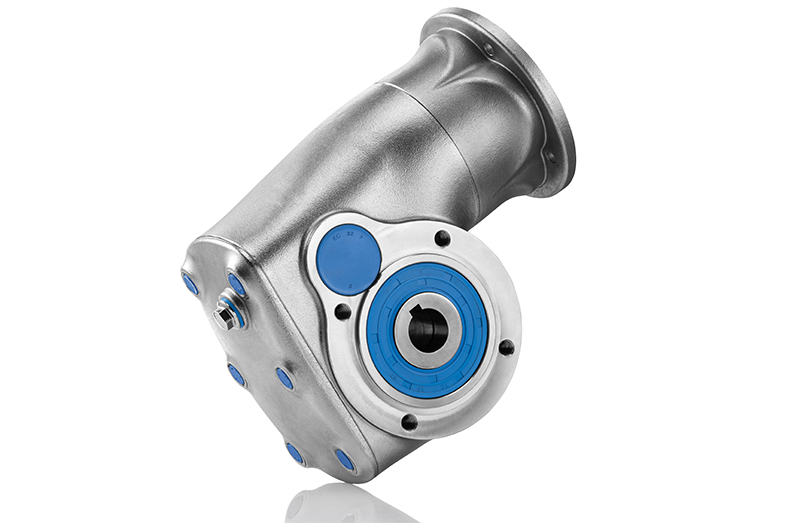
A reduction gearbox reduces the output speed relative to the speed of the electric motor and simultaneously increases the available torque. By combining the right electric motor and gearbox, the required speed and torque can be efficiently matched to the conveyor belt or machine.
However, a higher reduction ratio does not automatically mean that it is better. The drive system must be matched to the actual load and desired speed. An oversized drive system can lead to unnecessarily high purchase and energy costs, while an undersized drive system may wear out more quickly or deliver insufficient power.
Which Type of Gearbox Should You Choose?
In addition to the gear ratio, the type of gearbox is also important. Depending on the application, you can choose, for example, a worm gearbox, hypoid gearbox, bevel gearbox, coaxial gearbox or parallel shaft gearbox.
For continuously operating production lines, high efficiency may be important, for example, while in another application a compact design or specific mounting position may be decisive.
In hygienic production environments, another important factor comes into play: cleanability. Dertec therefore supplies stainless steel gearboxes with a smooth and hygienic design for applications where intensive cleaning takes place regularly, such as in the food industry.
Look Beyond the Gear Ratio Alone
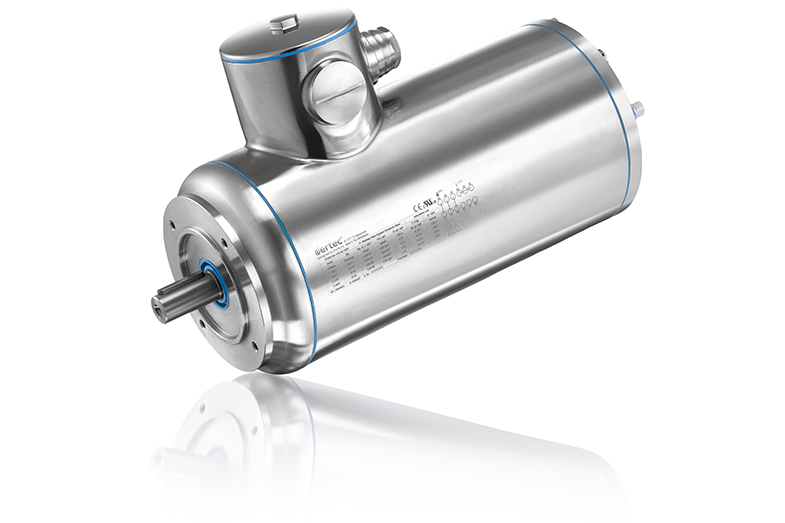
The right drive system ultimately results from the combination of motor, gearbox, gear ratio and application. By properly matching these components, a drive system can be designed to be more compact and energy-efficient, while unnecessary wear is prevented.
Total Cost of Ownership (TCO) also plays an important role in this. A more efficient gearbox may be more expensive to purchase, but can ultimately be more cost-effective due to lower energy consumption, less maintenance and a longer service life.
Which Gear Ratio Suits Your Application?
Would you like to determine which gear ratio and stainless steel gearbox best suit your conveyor belt or production line? Dertec can tailor the drive system to factors such as the desired speed, load, operating duration and hygiene requirements. This results in a drive solution that is not only technically suitable, but also operates efficiently and reliably.
Do you have questions about the correct gear ratio or specific settings for your application? Contact the Dertec team for personal advice.